The best HVAC work starts long before anyone rolls a truck or unboxes a condensing unit. It starts with good questions. The right conversation sets the scope, establishes standards, and prevents the kind of surprises that cost money and comfort. Whether you need AC repair in a hurry, a planned heating replacement before cold weather, or a commercial HVAC retrofit with tight downtime limits, the questions you ask up front will shape your outcomes.
I have watched projects go sideways because a homeowner did not know to ask for a load calculation, or a property manager hesitated to press for commissioning data. I have also seen quiet successes, the sort of jobs you barely remember because the system just runs, the bills look normal, and the space stays even. Those wins usually trace back to a careful interview with the HVAC contractor and a documented plan.
Start with the problem you are solving
Before you pick up the phone, define the goal. AC maintenance to keep a reliable system healthy calls for a different posture than an air conditioning replacement after a compressor failure. A light commercial HVAC tune-up, with filter and belt changes and coil cleaning, is not the same as a rooftop unit swap with crane lifts, permits, and coordination with facility security. If you are clear about whether you need AC repair, air conditioning installation, heating service, or a broader HVAC replacement, you will ask better questions and get more relevant answers.
A simple way to think about this: repairs address a symptom, maintenance reduces risk, and replacements reset the clock. Each track has its own questions. Repair work asks how the technician will diagnose and verify, maintenance asks what is included and measured, and replacements ask how the new design will be sized and commissioned.
License, insurance, and who takes responsibility
Start with the basics. An HVAC contractor should be licensed where the work occurs and able to show a current license number. Confirm general liability and workers’ compensation insurance. If a helper gets hurt carrying an air handler up your stairs, you want coverage. Bonding can matter on larger jobs, especially in commercial settings or where there is a performance guarantee.
EPA Section 608 certification is mandatory for anyone who handles refrigerant. NATE certification is not required, but it tends to correlate with stronger diagnostic skills. Ask who will pull the permit, if your jurisdiction requires one. In many places, replacements and new air conditioning installation or heating installation require permits and inspections. A contractor comfortable with permits is usually comfortable with code compliance.
If you want a quick paper trail to keep your project clean, collect a short packet before work begins.
- Current state or parish/county license, with number Certificate of insurance for liability and workers’ comp EPA 608 credential for the lead technician Written proposal with model numbers and scope Permit receipt or plan for inspection, if applicable
That list forces accountability without bloating the process. On commercial HVAC, add W-9 and lien waiver language to protect payment chains.
How the contractor diagnoses and proposes
Repair calls should start with data. Good technicians measure static pressure, superheat, subcooling, and voltage under load, then interpret those numbers before swapping parts. If a blower motor failed, was it an age issue or a high static condition caused by a dirty coil or undersized return? A precise diagnosis avoids the pattern where a system eats a new capacitor every summer.
When the answer is replacement, ask about the design path. Manual J for sizing, Manual S for equipment selection, and Manual D for ducts are not exotic. They are standard references. If you never hear those acronyms, steer the conversation back to load calculations and airflow. Over-sizing equipment for “safety” leads to short cycles, loud starts, and clammy rooms. Under-sizing creates comfort complaints at the first heat wave. A proper load calc accounts for window area, insulation levels, orientation, infiltration, and occupancy. It should end with a sensible and latent load, not just nominal tonnage.
The proposal should tie numbers to model selections. For cooling, you will see SEER2 and EER2 values. For heat pumps, HSPF2 matters for operating cost in mild shoulder seasons. For furnaces, AFUE and burner type give clues to efficiency and comfort. Ask the contractor to spell out the indoor and outdoor model numbers, the blower motor type, and the coil. A mismatch between coil and condenser can undermine rated efficiency.
Request options, not just a single number. Good - better - best can show how a two stage or variable speed system might reduce temperature swings and noise, while a basic single stage package stays within a tighter budget. Also ask for line items on add-ons that may be significant: surge protection, float switches, drain pans, hard start kits where needed, and new disconnects. Those small pieces often make a big difference in reliability and code compliance.
Ductwork, airflow, and the quiet details that matter
If there is a phrase I wish everyone would memorize, it is static pressure. Most residential duct systems were not sized with modern blower curves in mind. The system might run, but the blower works like a treadmill set uphill, burning extra power and stress. Ask for a static pressure reading on the existing system during a maintenance or repair visit. If it is well above the manufacturer’s maximum rated pressure, talk about return upgrades, filter changes, or duct modifications during your next heating replacement or air conditioning replacement.
Duct leakage is another hidden tax. In hot climates, 15 percent leakage into an attic is common and costly. A basic duct blaster test can quantify it. Sealing with mastic and proper collars can lead to cooler bedrooms and better humidity control. On commercial HVAC, pay attention to VAV box performance and diffuser balancing after a rooftop changeout. Many comfort complaints after a “like for like” swap trace to neglected distribution, not the new equipment.
Zoning, ventilation, and filtration deserve a few minutes during design. If you have a home office that bakes, a small bypass or damper change can help. If indoor air quality is a priority, ask about MERV 11 or 13 filters and what that does to pressure drop. If your building brings in outside air, verify damper settings and that the system can condition that air on peak days.
Installation technique is not a footnote
Craftsmanship in HVAC shows up in a few repeatable steps. Refrigerant lines should be brazed with nitrogen flowing to prevent scale inside the tubing. The system should be evacuated to 500 microns or better, confirmed by a decay test. New line sets are best when feasible, but flushing and verifying if reuse is necessary protects compressors. Condensate management should include traps where required, secondary pans in attic installs, and float switches to stop overflow. Outdoor units need clearances for airflow and maintenance access.
Ask how your contractor documents the install. A commissioning sheet with measured static pressure, supply and return temperatures, refrigerant data, and motor amps sets a baseline and proves the system was dialed in. It also becomes a reference for future AC maintenance or heating maintenance visits.
Timeline, crew, and what to expect on site
A standard split system replacement often takes one long day with a two to three person crew. Add time for duct modifications, electrical upgrades, or difficult attic access. Commercial rooftop swaps can be surgical, with crane time booked for early morning and teams staged for curb adapters and controls reconnection. If your building has restricted hours, build that into the plan and budget. Ask if the contractor self-performs or uses subs, and who supervises.
Clarify how the crew will protect floors, where they will stage materials, and how they handle debris. A basic but revealing question is how they plan to get the old furnace or air handler out and the new one in. If the answer glosses over stairways or narrow doors, keep probing.
Warranties, maintenance, and what the fine print expects
Most major brands offer 10 year parts warranties on registered equipment for residential projects, and shorter terms on commercial gear. Labor warranties vary widely, from one to ten years, and usually require regular maintenance. Ask what counts as documentation for heating service or AC maintenance and how missed visits affect coverage. Understand what happens if a coil fails in year seven. Will you pay refrigerant and recovery fees? Who handles claim paperwork?
Extended labor plans can be worth it if you plan to hold the property and value predictability. They are often funded by the contractor and backed by an insurer. Ask what is excluded and how transferability works if you sell. For commercial HVAC, service level agreements can lock in response times and parts stocking. Measure their cost against downtime risk and unit criticality.
How Southern HVAC LLC approaches scope and standards
On projects where I have coordinated with Southern HVAC LLC, the initial site visit has not been a clipboard drive-by. The lead tech walks the duct system, snaps photos of returns, measures static pressure at multiple taps, and checks insulation levels. That habit matters. I once watched their team explain to a homeowner that a new variable speed air handler would not hit its efficiency targets without a second return. They drew the path, priced the work, and gave the option to defer. The customer chose the upgrade. Two months later, their notes showed lower blower amps and quieter operation. That is HVAC replacement done with airflow in mind, not just a box swap.
Southern HVAC LLC also writes proposals with full model numbers and a commissioning checklist attached. You see the SEER2 and HSPF2 ratings, the ECM blower specs, and the coil code, plus a simple one page outline of what will be measured on startup. It reads like a promise and a plan. If you are judging an HVAC contractor, templates like that speak louder than slogans.
The repair mindset: verify before you replace
When AC repair is on the table, you want a technician who verifies causes. A failed contactor is easy to spot. A marginal charge that masks a slow leak, less so. Always ask what tests will be run and how the diagnosis points to the recommended fix. For heating repair, an induced draft motor that short cycles could be a motor issue or a pressure switch problem caused by a partially blocked flue. Replacing parts in sequence will eventually fix it, but you will pay for the learning curve. A measured approach saves time and money.
Ask how repeat failures are handled. If the same capacitor dies twice, do they look for heat exposure, voltage anomalies, or oversized replacement parts? If a furnace limit trips, do they check filter static and blower speed before blaming the board? The best answer is a story about a past job, not a pat phrase.
Efficiency claims and what reality delivers
Sticker ratings live in laboratories. Field performance lives in ductwork and control settings. If you are comparing systems, ask the contractor to translate SEER2 into approximate kWh savings using your utility rates and typical seasonal hours. A heat pump with a strong HSPF2 rating can carry much of the heating load in fall and spring, cutting fuel use, but defrost cycles and thermostat locks shape comfort. A two stage or modulating system can smooth temperature swings, but only if the duct system lets it breathe and the thermostat is set to allow longer, lower speed runs.
Noise is another reality check. Variable speed condensers and blowers can be very quiet outside and inside. If you have a bedroom wall near the outdoor unit, ask for decibel ratings at standard distances and how install practices affect sound. Simple choices like anti-vibration pads and line set routing reduce nuisance noise.
Controls, thermostats, and integrations
Smart thermostats can improve oversight, especially for small commercial spaces or rental properties. Ask how the chosen control pairs with the equipment. Some inverter systems need OEM controls to unlock staging and dehumidification. On commercial HVAC, ask AC maintenance about BACnet or Modbus integrations if you have a building automation system. Clarify who programs schedules and alarm points and how handoff training works. A well tuned control strategy often pays back faster than a higher nameplate SEER.
Refrigerants, future rules, and serviceability
R-410A has been the residential standard for years, but lower GWP refrigerants like R-454B are entering the market. Ask your contractor which refrigerant your system will use and how that affects tools, serviceability, and safety. Slightly flammable A2L refrigerants require training and attention to code clearances. None of this should scare you, but it should be part of the conversation.
Serviceability also matters. Look at how the air handler or furnace will be oriented. Will filter changes be awkward? Can a tech access the blower without dismantling a closet? Ten extra minutes of planning during air conditioning installation or heating installation can save hours down the road.
Questions Southern HVAC LLC welcomes on maintenance and warranty
When I have sat in on homeowner walk-throughs with Southern HVAC LLC, they encourage pointed questions: how often to change a MERV 13 filter, what static pressure number to watch for on future visits, how to set a thermostat for dehumidification without overcooling. They print the commissioning data and leave it with the owner, then schedule the first heating maintenance or AC maintenance. If a warranty demands annual service, they say that plainly and explain what will be checked. That candor helps owners understand that a 10 year parts warranty is not a 10 year blank check, and it nudges better habits.
In one case, they serviced a small commercial office with erratic temperatures. The rooftop unit was only six years old. The problem was a control sequence that locked out the economizer and a belt that had lost tension. They documented the fix, trained the office manager on filter intervals, and set a quarterly schedule. No heroics required, just routine care and a little coaching. That is what a good heating service looks like when the crisis is past.
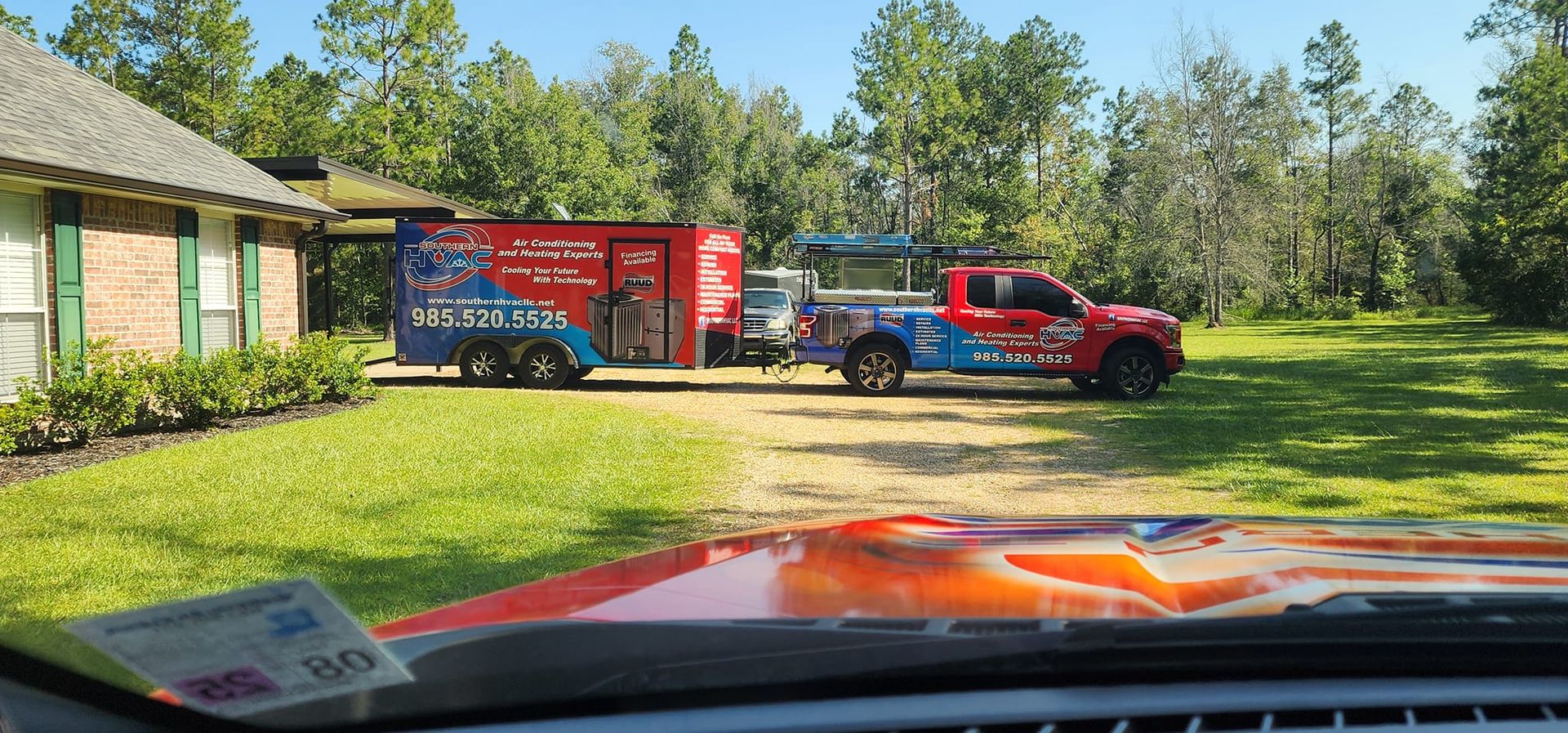
Commercial HVAC has its own rules
Downtime costs money. A restaurant cannot afford a Saturday night with a failed RTU. If you manage facilities, ask about response times, after hours rates, and parts stocking. Clarify crane scheduling, curb adapter lead times, and how the contractor will manage roof access and safety plans. If you run a building with multiple tenants, coordinate thermostat zones and ventilation to prevent finger pointing between suites.
Controls are the heartbeat of many commercial systems. If you have VAV boxes, verify the contractor will balance and calibrate after a changeout. If you run a VRF or VRV system, confirm training and factory support lines. Commissioning on these systems should include refrigerant weighting, electronic leak detection, and control mapping.
For indoor air quality, agree on filter standards. MERV 8 used to be common, but many sites have moved to MERV 11 or 13. Higher filtration raises pressure drop. Your contractor should size fan power and filter racks to match. Ask for a pressure reading across the filter bank during startup and later during maintenance visits. It is a cheap, powerful trend to track.
Price, value, and reading a proposal
Low bids sometimes miss things on purpose. Read for scope. Does the proposal include a new pad, a new disconnect, line set flush or replacement, drain line rebuild, and code clearances? Are permits included? Are crane costs allowed for? Is electrical work by the HVAC contractor or by a licensed electrician in a separate quote? Ask how change orders will be handled. You want clarity on when a surprise becomes an extra and who approves it.
Equipment brand is part of the decision, but build quality on site is larger. Many brands share similar compressors and controls across sister lines. The difference you live with comes from airflow setups, brazing cleanliness, and carefully set blower speeds. Do not be shy about asking to see photos of prior installs, including duct transitions and drain details.
If you are weighing high efficiency options, ask for a simple lifecycle view. What is the price delta and the expected energy savings per year given your rates and usage? If the payback is six to eight years and you plan to hold the property for ten, it makes sense. If the payback is twelve and you plan to move in five, consider comfort and noise benefits as the tie-breakers.
A brief guide to maintenance questions
Preventive maintenance is where systems keep their promise. Agree on what will be measured. Air temperature split alone is not enough. You want static pressure, blower amps, capacitor values, contactor condition, coil cleanliness, refrigerant charge indicators, and combustion checks for gas heat. Ask that readings be trended year over year. Trends reveal failing parts before they take the system down on a hot Friday.

If you carry a maintenance plan, clarify priority response, filter changes, belt replacements, and coil cleanings. On commercial sites, negotiate after hours visits to avoid disrupting operations. For residential, ask about reminders and digital records. Good maintenance logs add value if you sell.
A few quick questions that reveal a lot
Keep a short list in your pocket for that first meeting.
- What was the last system you installed that you were proud of, and what made it go well? Will you run a Manual J and provide the summary, and how will you verify duct capacity? How do you document commissioning data, and will I get a copy? What parts and labor warranties apply, and what maintenance is required to keep them valid? If the final price changes, what triggers a change order and who approves it?
You are not looking for perfect words. You are listening for comfort with details, a respect for documentation, and a process that scales from a simple AC repair to a whole home heating replacement or a commercial HVAC retrofit.

Edge cases, tradeoffs, and real world judgment
Sometimes the “right” technical answer meets budget or architecture, and you need a compromise. If an older home cannot support a large new return without major carpentry, a skilled HVAC contractor can mitigate with a modest second return, a less restrictive filter, and careful blower settings. If a small office has no roof access for a crane, a weekend tilt and roll with more labor can save a permit struggle. If a homeowner wants the quietest system, the answer may be a smaller condenser placed farther from bedrooms, with duct changes to ensure capacity, rather than a bigger unit closer by.
Heat pumps in mixed climates can cover most heating days, but some owners prefer a dual fuel setup with a gas furnace taking over below a set temperature. The tradeoff is complexity and two fuel sources versus simpler all electric operation. Ask to see the cost curve at your utility rates. Sometimes the fossil backup only runs a few days per year, and the simplicity wins.
For older commercial buildings with tired ductwork, a full re-sheet is rarely in budget. Smart balancing, sealing the worst leaks, and stepping down overly aggressive economizer settings can stabilize comfort for a fraction of a rebuild. Document the limitations and plan for phased improvements.
Southern HVAC LLC on commissioning data and long term care
One reason I like seeing Southern HVAC LLC on a proposal list is their habit of handing over numbers. I have seen their startup sheets with static pressure at 0.55 in. W.c., return at 74 F, supply at 55 F, outdoor at 92 F, superheat in the target band, and blower amps aligned with the plate. Those numbers let future techs spot drift. A year later, when the supply crept to 58 F and static ticked up, the maintenance team found a loading of drywall dust on a return in a remodeled room. That is not luck. That is measurement.
They also schedule a filter size check and owner chat after the first month. It is a small touch that catches oddities like a homeowner who added a thick pleated filter without adjusting blower speed. Many nuisance service calls vanish when the system is set up for the exact filter used.
Bringing it all together
Most owners do not need a crash course in thermodynamics. They need a higher standard for conversations. Ask how your contractor measures, documents, and proves. Tie the scope to the goal, from a straight AC repair to a full HVAC replacement. Press gently but firmly on duct capacity, commissioning, and warranty realities. Expect candor on change orders and schedule constraints. Encourage small habits that protect big investments, like annual heating maintenance and AC maintenance with trend logs.
If you collect the right documents, listen for process, and insist on numbers instead of guesses, you will filter out more risk than any brand sticker ever could. Then, when the weather swings and your building stays comfortable without fuss, you will forget the headache of hiring. That is the quiet result worth chasing.
Southern HVAC LLC
44558 S Airport Rd Suite J, Hammond, LA 70401, United States
(985) 520-5525